
Back to Nature: The Role of Medicinal Plants and Spices in Global Health
December 30, 2025
Baharat: Bridging East and West
January 11, 2026
Afghanistan’s role in the history of medicinal plants and spices is closely linked to its geography. Located at the crossroads of Central Asia, South Asia, and the Middle East, the region has for centuries functioned as a natural bridge for trade, agriculture, and the exchange of botanical knowledge along major historical routes.
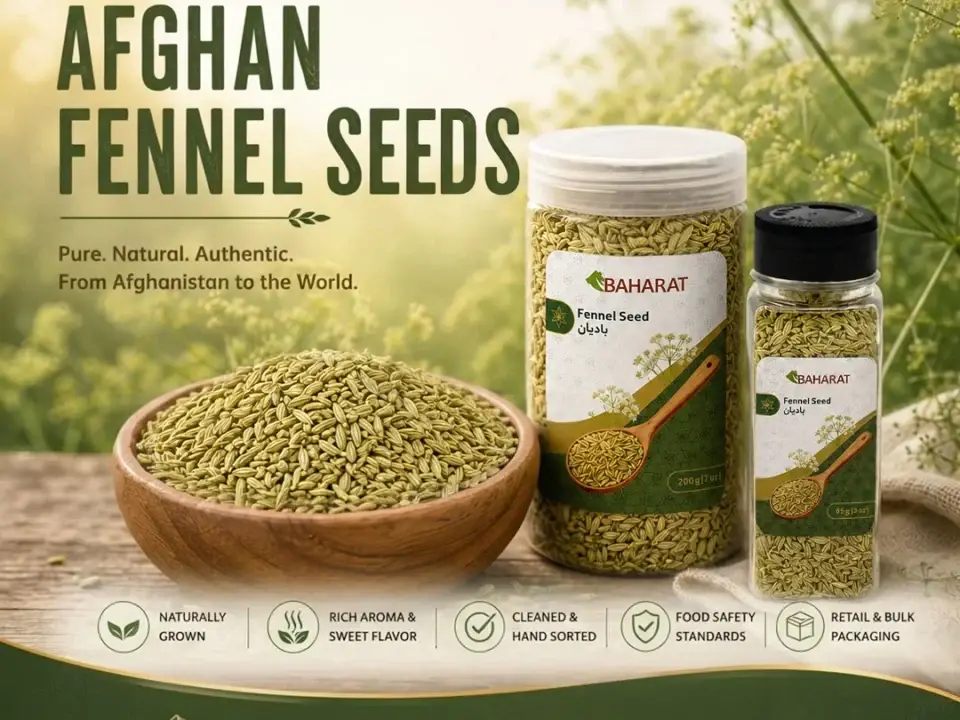
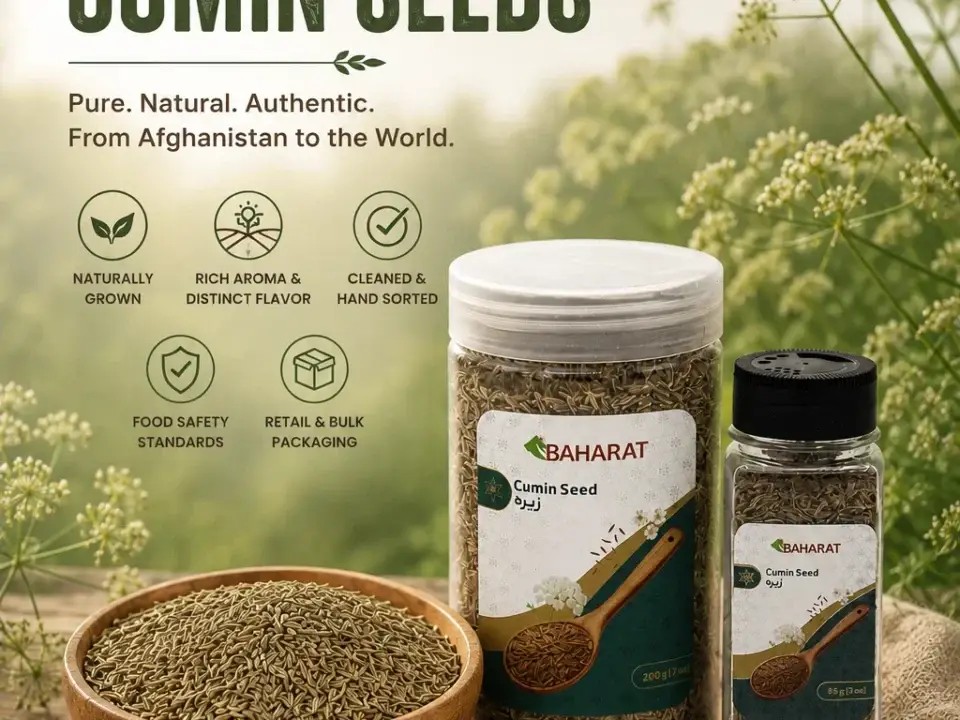
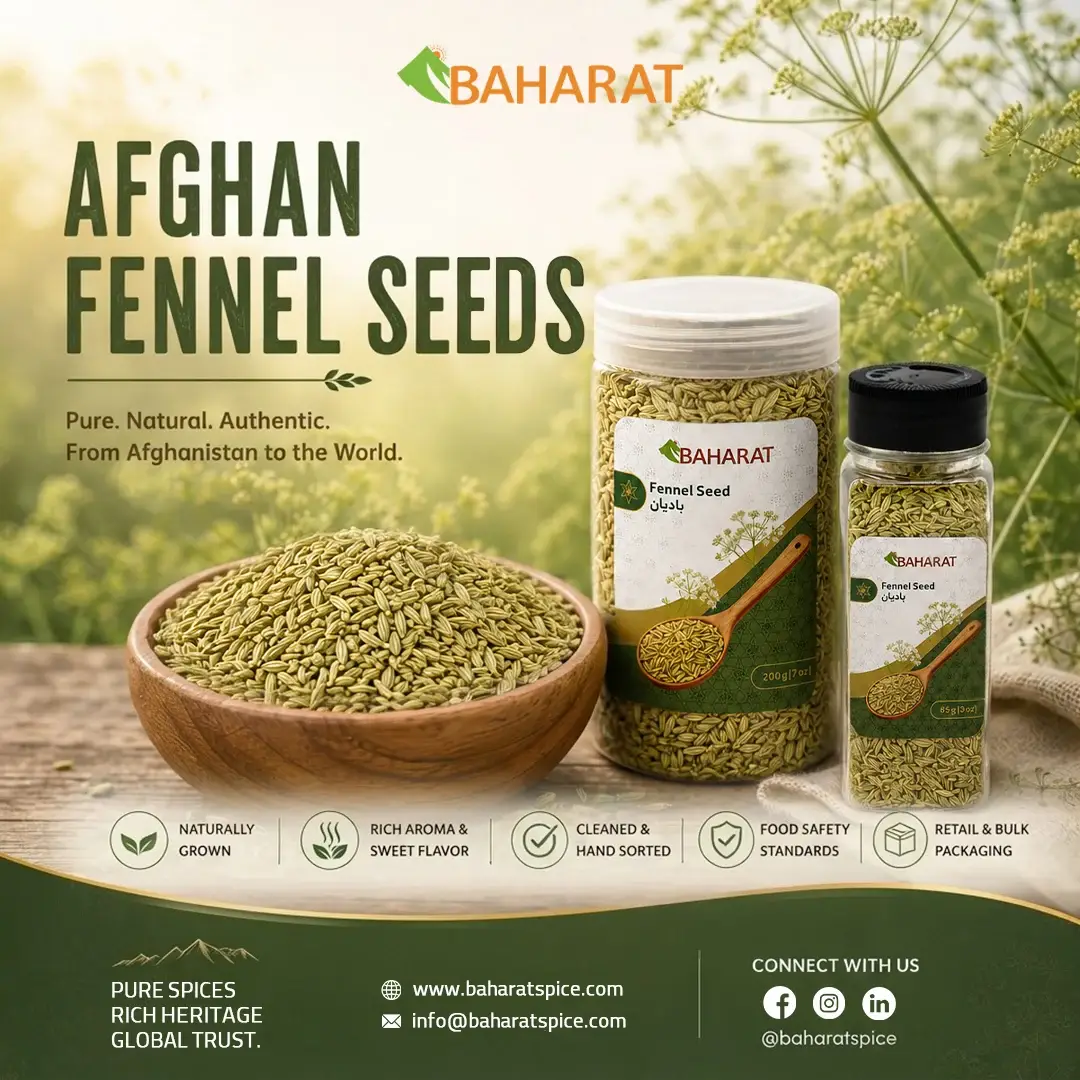
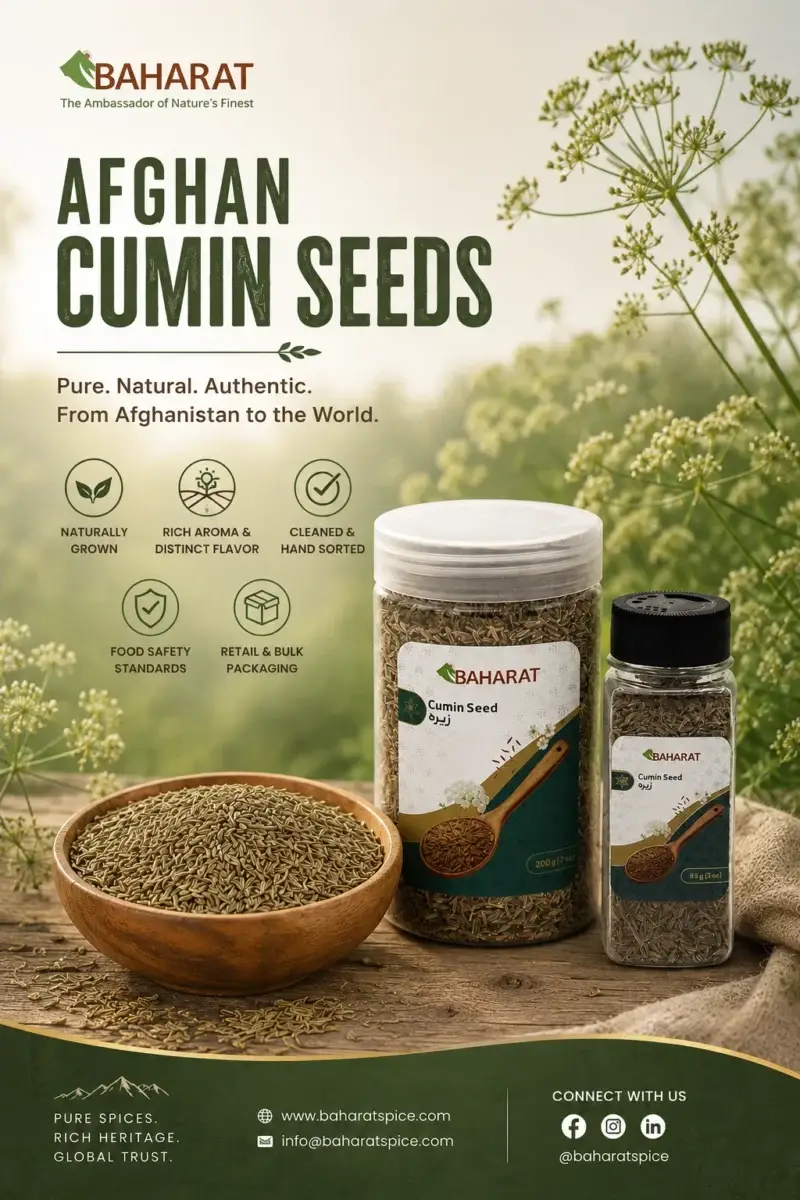
The country’s diverse landscape has been a defining factor in this legacy. High mountain ranges, fertile river valleys, semi-arid plains, and varied microclimates create natural stress conditions under which many plants thrive. Such environments are widely recognized for promoting stronger aromas and higher concentrations of bioactive compounds in herbs and spices. Crops such as saffron, wild thyme, black cumin, coriander, basil seeds, fennel, and dill have adapted to these conditions over generations.
From an agricultural perspective, herb and spice cultivation in Afghanistan has traditionally relied on low-input farming systems. Limited historical use of industrial fertilizers and synthetic pesticides has left many growing areas naturally preserved. When combined with manual harvesting, careful sorting, and sun-drying techniques refined over centuries, these practices contribute to maintaining the purity and functional quality of botanical products.
Despite decades of conflict and limited investment, these traditions have persisted in rural communities. Knowledge has been transmitted primarily through practice and observation rather than formal documentation, helping to safeguard plant diversity as well as region-specific cultivation methods.
As global markets increasingly prioritize authenticity, traceability, and sustainability, Afghanistan’s botanical heritage is gaining renewed attention. With the integration of modern quality control, standardized processing, and alignment with international food and safety frameworks, these herbs and spices are well positioned to link a deep historical legacy with the evolving needs of global wellness and culinary industries.
At the same time, this heritage calls for stronger scientific validation and knowledge-based approaches to ensure consistency, safety, and global acceptance—bridging ancestral wisdom with contemporary standards.