Afghan Asafoetida (Hing): A Unique Medicinal Resin from Afghanistan
March 5, 2026
Afghan Coriander Seeds: Quality, Trade Potential, and Market Relevance
March 31, 2026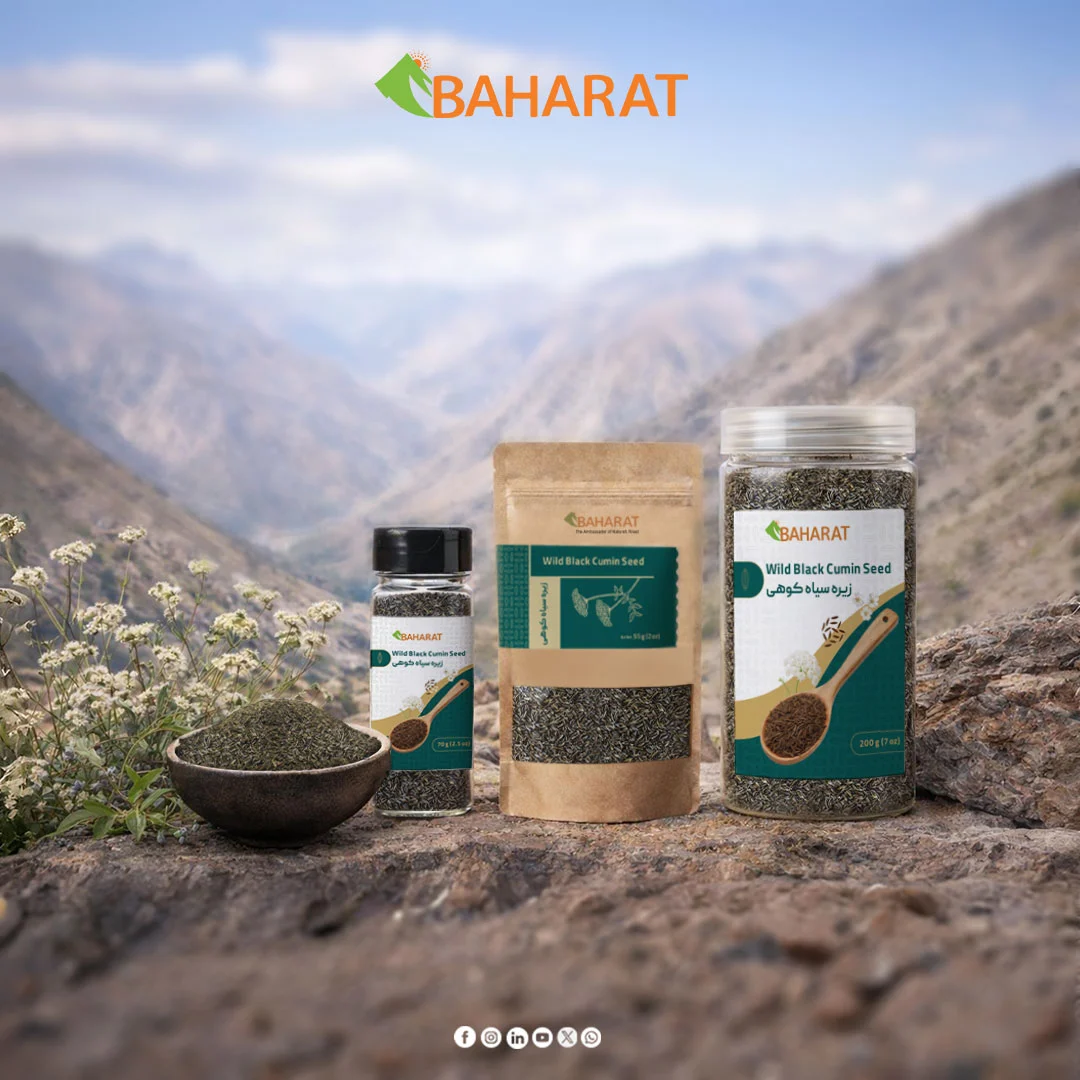
Introduction
Afghanistan is home to several unique aromatic plants that have been traded along the historic Silk Road for centuries. Among these valuable botanicals, Afghan wild black cumin (Bunium persicum) — often known as Shah Zeera or mountain cumin — holds a special place in both culinary traditions and international spice markets.
This rare spice is primarily found in the mountainous regions of Afghanistan and is widely appreciated for its intense aroma, medicinal properties, and culinary versatility. In recent years, increasing global interest in natural spices and medicinal plants has brought renewed attention to the export potential of Afghan black cumin.
Botanical Characteristics of Afghan Black Cumin
Wild black cumin belongs to the Apiaceae family and is botanically known as Bunium persicum. Unlike common cumin (Cuminum cyminum), this species produces smaller, darker seeds with a stronger aroma and richer flavor.
The plant grows naturally in mountainous environments and thrives in dry climates with rocky soils. These ecological conditions contribute to the distinctive quality and aromatic intensity of Afghan wild cumin.
Wild black cumin plants are typically harvested during the summer months when the seeds mature. The seeds are then traditionally sun-dried before being cleaned and prepared for trade.
Geographic Distribution in Afghanistan
Afghan wild black cumin grows mainly in the mountainous regions of the country, particularly in:
- Badakhshan
- Herat
- Badghis
- Samangan
- Balkh
- Jawzjan
- Farah
The Hindu Kush mountain range, especially the region around Badakhshan, is known as one of the most important natural habitats of wild mountain cumin.
Because much of this cumin grows naturally in the wild, harvesting is often carried out by local collectors and farmers who gather the seeds from mountain slopes and valleys.
Historical Role of Cumin in Afghan Agriculture and Trade
Cumin has long been an important spice in Afghan cuisine and traditional medicine. Historical trade routes that connected Central Asia, Persia, and the Indian subcontinent helped establish cumin as a valuable commodity in regional markets.
Afghanistan has been an active participant in the international cumin trade for decades. In the early 2000s, Afghan cumin and related varieties accounted for a significant share of global trade in cumin and caraway products.
Trade data also shows that Afghanistan exported substantial volumes of cumin to countries such as India, Pakistan, the United Arab Emirates, and European markets.
In more recent years, cumin exports from provinces such as Herat have increased significantly. For example, one report noted that thousands of tonnes of cumin were exported to international markets including Germany, the United States, Turkey, and Gulf countries.
These figures highlight the long-standing importance of cumin as an agricultural export product for Afghanistan.
Culinary Uses of Afghan Black Cumin
Afghan wild black cumin is widely used in traditional cuisines across Central and South Asia.
Its strong, warm aroma and slightly sweet, earthy flavor make it a prized spice in many dishes such as:
- Kabuli Pulao
- Kebabs
- Rice dishes
- Soups and stews
- Bread and spice blends
Because of its concentrated flavor, only a small quantity is needed to enhance a dish.
Professional chefs and gourmet spice companies around the world increasingly seek out wild mountain cumin from Afghanistan because of its complex flavor profile.
Medicinal Properties and Health Benefits
In addition to its culinary value, black cumin has long been used in traditional medicine.
Scientific studies and ethnobotanical research have shown that cumin seeds contain essential oils and bioactive compounds with several beneficial properties.
Traditional uses of cumin include support for:
- digestion and relief of stomach discomfort
- reduction of intestinal gas
- antimicrobial protection
- anti-inflammatory effects
Cumin has also been used in traditional herbal medicine as a carminative, digestive stimulant, and mild antiseptic.
These properties contribute to its continued importance in both culinary and medicinal applications.
Global Market Demand for Wild Black Cumin
The international spice market has experienced steady growth due to increased demand for natural ingredients, herbal medicines, and authentic culinary spices.
Wild black cumin is particularly valued because it is relatively rare and has a distinctive flavor that differs from cultivated cumin varieties.
Global demand for high-quality cumin and related spices is driven by several industries:
- food manufacturing
- gourmet culinary markets
- herbal medicine and nutraceuticals
- natural health products
Because Afghan wild cumin is largely harvested from natural mountain environments and produced in limited quantities, it is often considered a premium spice in international markets.
Export Opportunities for Afghan Black Cumin
Afghanistan has strong potential to expand its presence in the global cumin market.
Several factors contribute to this opportunity:
- favorable ecological conditions for wild cumin
- traditional knowledge of harvesting
- increasing global demand for natural spices
- relatively low production costs
However, the export sector also faces challenges such as inconsistent supply chains, limited processing infrastructure, and quality standardization.
To fully develop the export potential of Afghan black cumin, improvements are needed in:
- post-harvest processing
- quality grading
- international certification
- traceability systems
These measures would significantly enhance the competitiveness of Afghan cumin in global markets.
The Importance of Professional Production and Food Safety Standards
As global markets become more regulated, compliance with international food safety standards is essential.
Exporters must increasingly meet requirements related to:
- food safety certification
- hygienic processing
- contamination control
- standardized packaging
- traceable supply chains
Systems such as HACCP, GMP, and ISO food safety standards are becoming essential for companies seeking to supply international spice markets.
Improved processing facilities and modern packaging systems can significantly increase the value and reliability of Afghan spice exports.
The Role of Baharat Spice Co. in the Global Supply of Afghan Black Cumin
Companies such as Baharat Spice Co. play an important role in connecting Afghanistan’s natural botanical resources with global markets.
By working with local collectors and farmers, while implementing modern quality standards, the company aims to supply authentic Afghan spices to international buyers.
Products are offered in multiple formats suitable for global markets, including:
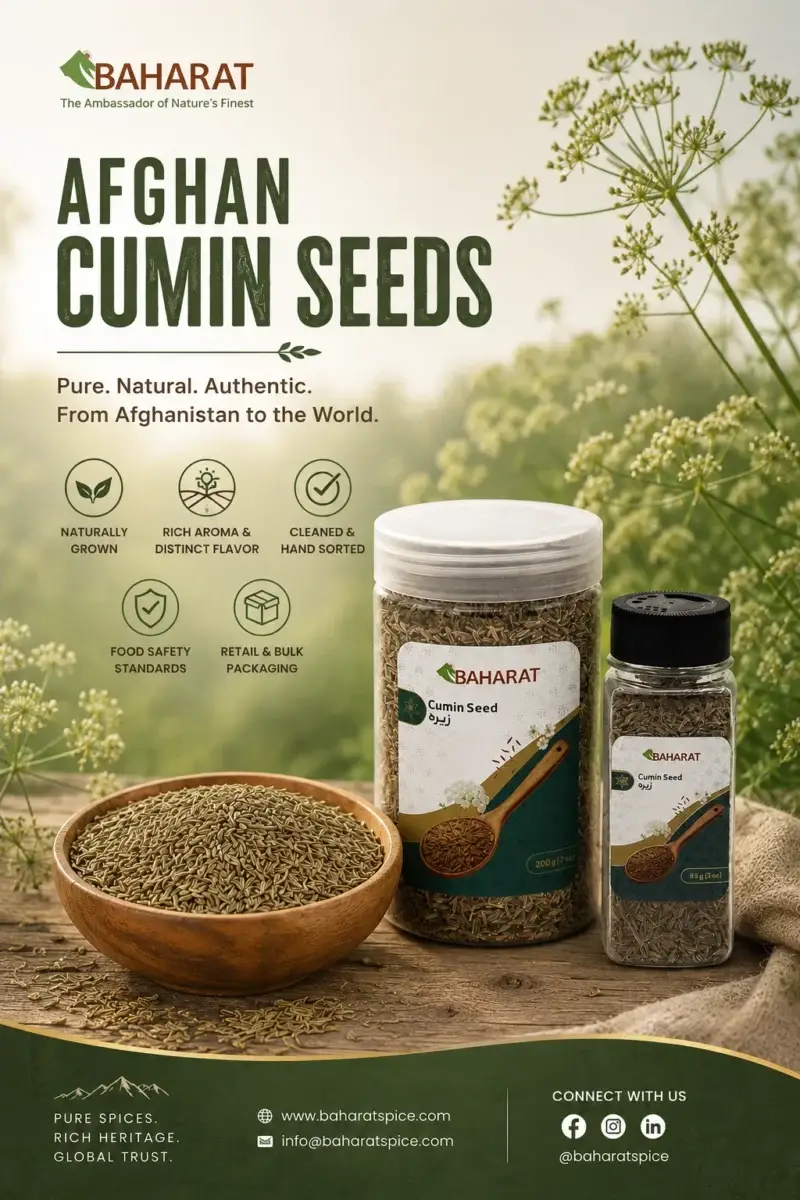
- whole wild black cumin seeds
- cleaned and graded bulk supply
- retail packaging for consumer markets
Through responsible sourcing, professional processing, and international distribution networks, companies like Baharat Spice Co. help bring the unique flavors of Afghanistan to the global spice trade.
Future Outlook for the Afghan Black Cumin Market
The future of Afghan black cumin in international markets is promising.
Several global trends support increasing demand:
- growth of natural and organic food products
- rising interest in traditional herbal medicine
- expansion of global culinary diversity
- demand for traceable and ethically sourced spices
If supported by improved agricultural development, sustainable harvesting practices, and stronger export infrastructure, Afghanistan could significantly increase its share in the global premium spice market.
Wild black cumin, one of the country’s most distinctive botanical products, has the potential to become a flagship export representing the natural heritage of Afghanistan.